
5 min read
Fueling the Fighter: Pre-Training Nutrition Guide
What to eat before training to maximize energy, endurance, and performance without feeling sluggish.
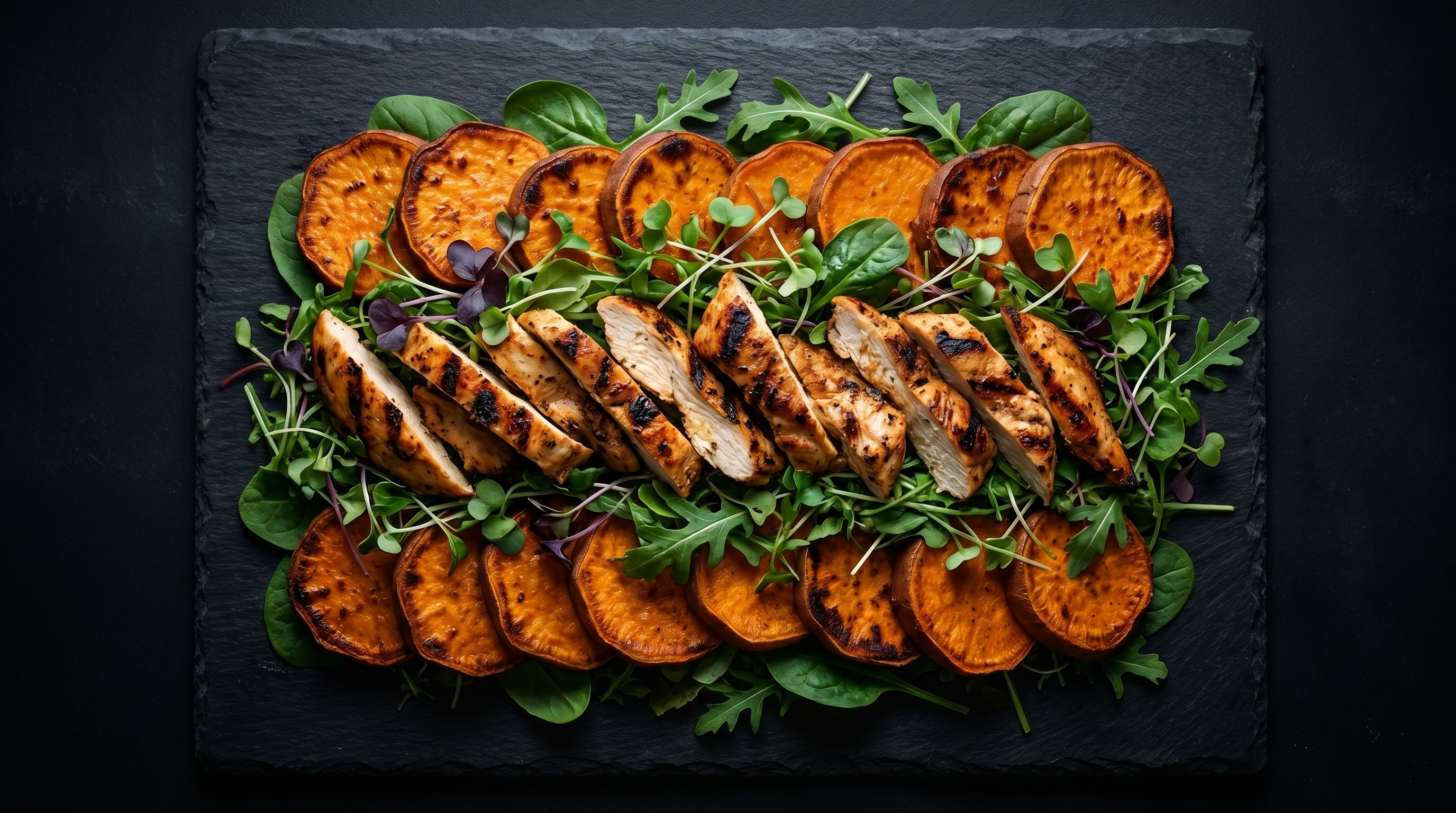
Eat to Perform
Proper nutrition is absolutely critical before stepping onto the tatami. Eating a heavy meal will slow you down and cause cramping, but training on an empty stomach will leave you faint and weak.
The key is striking a balance: complex carbohydrates consumed about two hours before class, paired with light, consistent hydration to maintain peak energy levels from the first bow to the final kiai.
"Don't expect a Ferrari to run on cheap fuel. Your body requires high-octane nutrition to perform at martial arts intensity."
The Carbohydrate Loading Window
To fuel intense sparring or endless kata repetitions, your muscles need glycogen. Without it, you will 'bonk' or hit a wall halfway through your training session.
2-3 Hours Before: Oatmeal, sweet potatoes, or brown rice.
1 Hour Before: A piece of fruit like a banana or an apple.
30 Mins Before: Liquid energy or a small black coffee.
Consuming these foods provides a slow, steady release of energy that will safely sustain you through a grueling 90-minute class without causing a blood sugar crash.
Hydration Strategies for the Dojo
By the time you actually feel thirsty, you are already mildly dehydrated. You should be drinking water steadily throughout the entire day, not just chugging a bottle in the locker room.
Thirty minutes before class, limit your intake to small sips to avoid a sloshing stomach. Adding a pinch of high-quality sea salt to your water can help your cells retain hydration and prevent severe muscle cramping during intense heat.
Foods to Absolutely Avoid Before Class
Stay far away from high-fat and high-fiber foods immediately before training. These macronutrients take entirely too long to digest and will actively draw blood away from your working muscles to your stomach.
Dairy products, extremely spicy foods, and heavy proteins like steak should be strictly saved for your post-workout recovery meal to prevent severe nausea during intense cardio and core compression exercises.
" transform="translate(8.875 13.688)" width="28.25px"/></svg>)